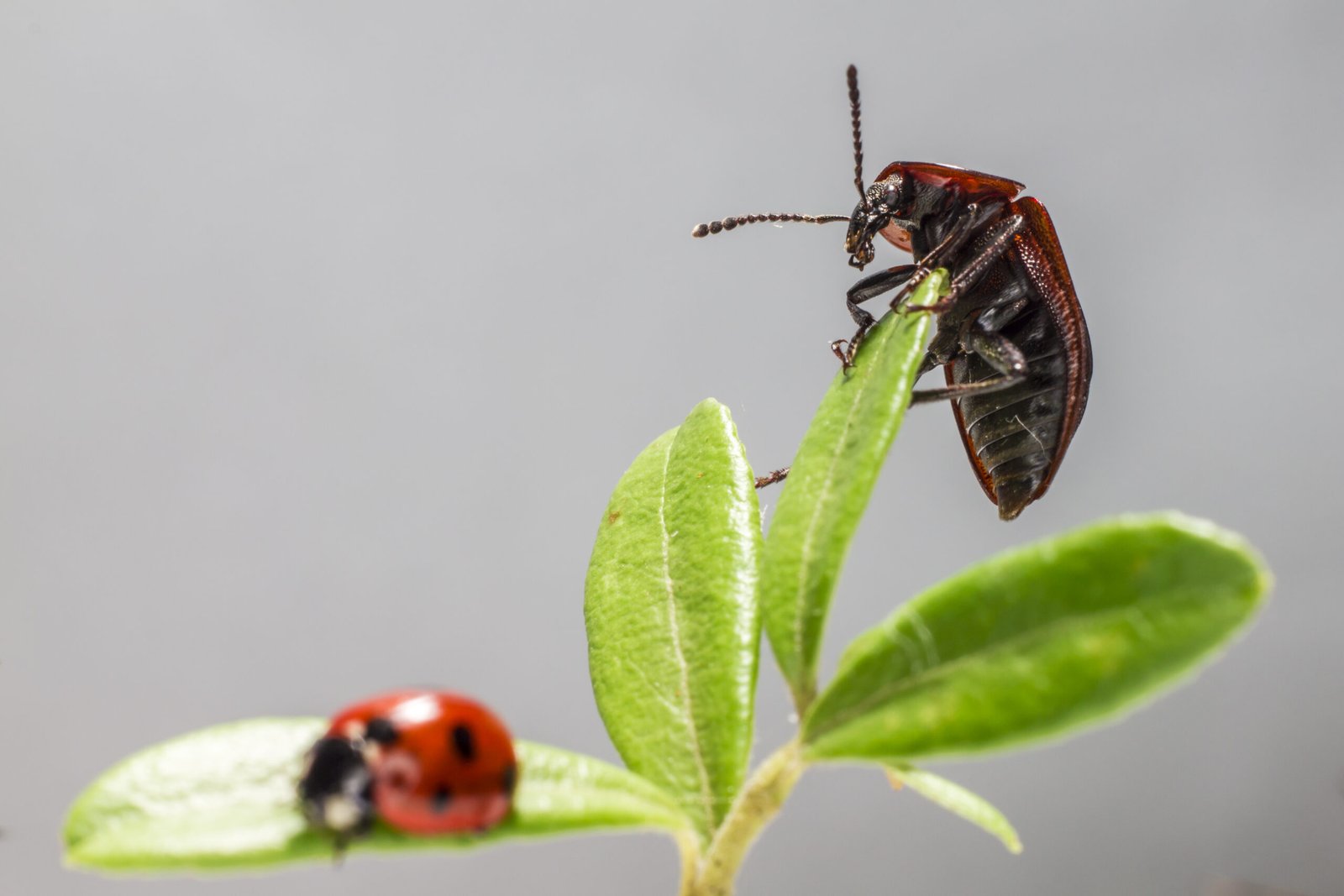
Pest management is an important part of successful agriculture. Insects and other pests can affect crop health, reduce yield and, when left unmanaged, cause significant damage.
But effective pest management does not always begin when a serious infestation appears.
In many situations, regular observation, early identification and preventive practices can help reduce the likelihood of a problem becoming more difficult to manage.
Pest Management Is More Than Applying a Treatment
When pests become visible, the immediate question is often:
What should I spray?
However, choosing a treatment without first understanding the situation may not always produce the desired result.
Effective pest management involves considering factors such as:
- The type of pest
- The crop or plant affected
- The stage of crop growth
- The level of pest activity
- Environmental conditions
- Previous treatments
- The presence of beneficial organisms
Correct identification is particularly important. Different pests may cause similar visible damage, but require different management approaches.
Early Detection Makes a Difference
A small pest population can sometimes become a significant problem if it goes unnoticed.
Regular crop monitoring can help identify early signs of pest activity, such as:
- Chewed or damaged leaves
- Discolouration or unusual markings
- Curling or distorted growth
- Holes in leaves, stems or fruits
- Sticky deposits
- Visible insects, larvae or eggs
- Uneven or declining plant growth
Early detection provides an opportunity to assess the situation before making a treatment decision.
Understanding Pest Pressure
The presence of a pest does not always mean immediate treatment is necessary.
A few insects on a plant and a rapidly increasing infestation are very different situations.
It is important to understand:
- How widespread the pest activity is
- Whether the population is increasing
- The level of actual crop damage
- Which part of the plant is affected
- Whether natural predators or other beneficial organisms are present
This helps determine whether monitoring, preventive measures or a more direct intervention is appropriate.
Prevention Starts With Good Practices
Many pest problems are influenced by the surrounding environment and crop management practices.
Depending on the crop and situation, preventive measures may include:
- Regular field monitoring
- Maintaining appropriate crop hygiene
- Managing weeds and alternate host plants
- Using suitable planting practices
- Improving crop nutrition and overall plant health
- Monitoring environmental conditions that favour pest development
Healthy plants are not automatically immune to pests, but good crop management can help reduce unnecessary stress and improve resilience.
Choosing the Right Management Approach
There is no single pest management method that is suitable for every crop or situation.
Depending on the requirement, the approach may involve a combination of practices, including cultural, mechanical, biological or conventional treatment options.
Where suitable and available, organic or lower-odour alternatives may also be considered.
The appropriate approach depends on factors such as:
- Pest identification
- Crop type
- Severity of the problem
- Growth stage
- Location and environment
- Practical and economic considerations
The aim should be to use an approach that is appropriate for the situation rather than relying on the same treatment every time.
Avoiding Unnecessary Treatments
Repeated or inappropriate treatment can sometimes create additional challenges.
Using a product when it is not required may increase costs without addressing the underlying problem. It may also fail to provide effective control if the pest has been incorrectly identified or if other factors are contributing to the issue.
This is why observation and assessment should come before action.
Prevention Is an Ongoing Process
Preventive pest management is not a one-time activity.
Conditions in a field can change throughout the growing season. Pest populations, weather conditions and crop stages can all influence the level of risk.
Regular observation helps farmers and growers respond based on what is actually happening rather than relying only on routine or assumption.
A More Practical Approach to Pest Management
Effective pest management begins with understanding the problem.
Before selecting a treatment, it helps to know:
What is the pest?
How serious is the activity?
What is contributing to the problem?
What management approach is appropriate for this particular situation?
By combining observation, prevention and appropriate intervention, pest management can become more targeted and practical.
Understanding the Situation Before Taking Action
At Praxonis, we believe pest management should not follow a one-size-fits-all approach. Understanding the crop, the pest and the conditions surrounding the problem is an important step towards recommending practical and appropriate management options.